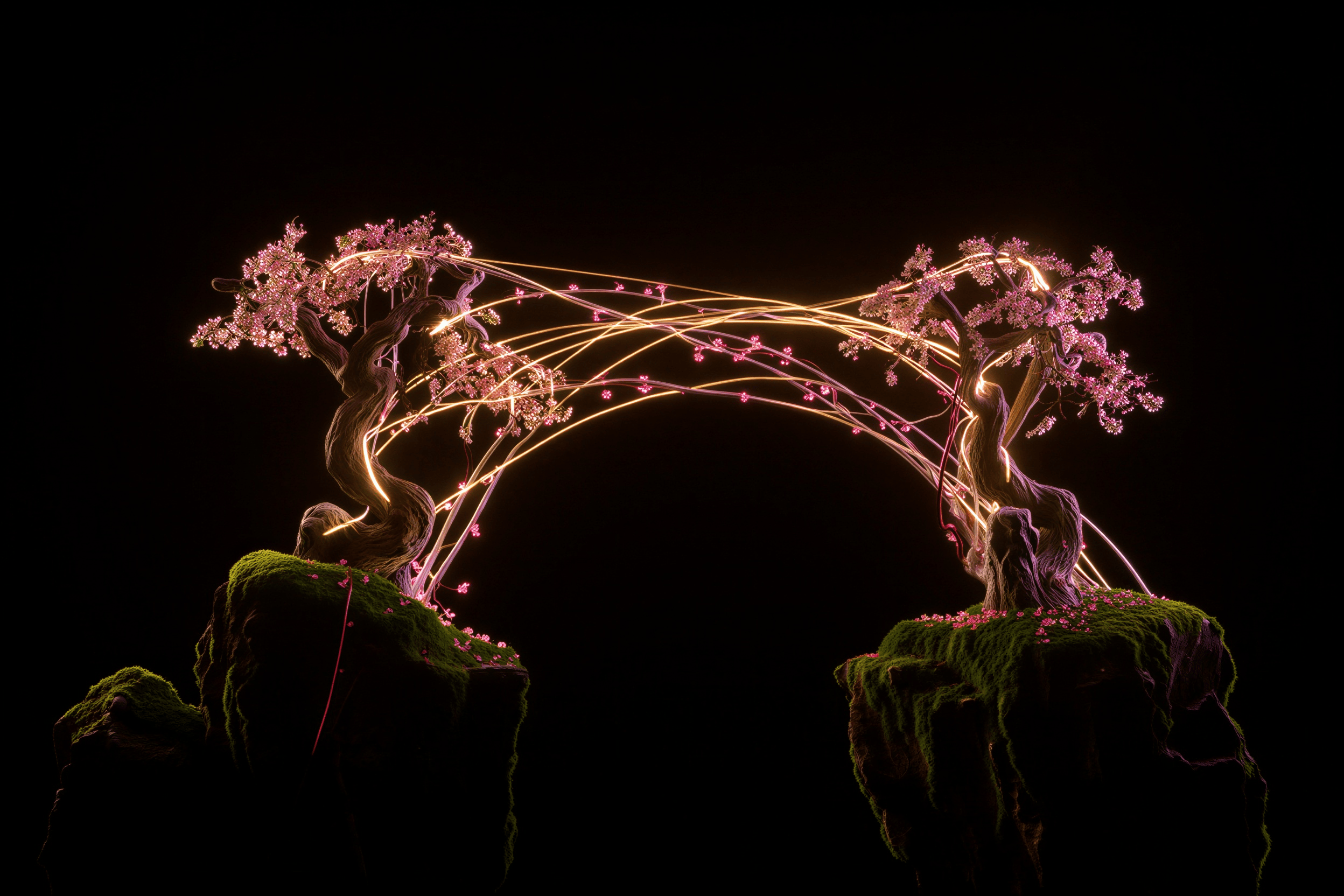
A six-axis robotfor cold plasma.
The working prototype holds a cold-plasma torch at a set distance over curved surfaces, follows a planned path, and records each move. Kahlus also works on EEG forecasting and assistive-mobility controls.
Three pieces.
Two years in.
The hardware exists and runs. Here's what it is, and who made which part.
Arm and torch
Six joints hold the plasma torch at a fixed standoff, the gap between nozzle and surface, over curved surfaces.
- Armopen-source PAROL6 by Source Robotics
- Kahlusthe build, torch mount and integration
Control board
Six TMC5160 stepper-motor drivers and a Teensy 4.1 microcontroller share one board, with a hardware emergency stop.
- Kahlusdesigned in-house
Sensing
Depth, thermal and infrared cameras watch the surface. Emission spectroscopy, which reads the light the plasma gives off, is optional.
- Kahlussensing, plasma integration and software
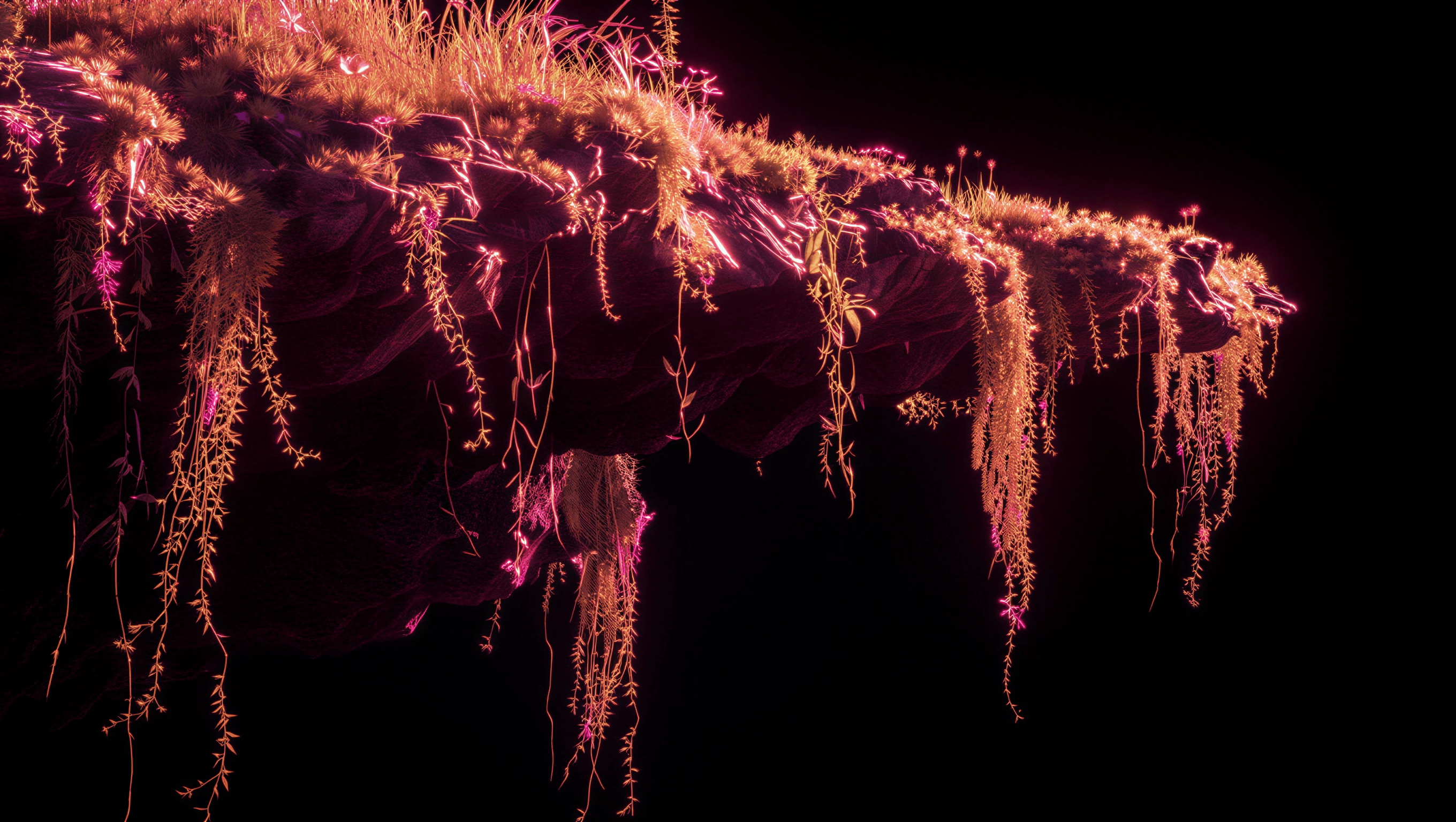
The robot uses Source Robotics' open-source PAROL6 arm (GPLv3). Kahlus built the controls, sensing, plasma integration, and software. Surface, path, and glow are illustrations.
How itworks.

Hand dosing
doesn't reproduce.
Cold plasma is an electrically charged gas that stays close to room temperature. Researchers study it for wound care. How much of it reaches the surface depends a lot on standoff, the gap between the nozzle and the surface.
A person holding a nozzle may not keep the same distance from a curved surface on every pass. A planned path is meant to make runs easier to compare; that benefit still needs testing.
Chronic wounds
are a costly burden.

Field figures from published estimates, not Kahlus results. The chronic-wound count is from Sen, Advances in Wound Care, 2023. The instrument hasn't been tested on any of these conditions.
Selected research.
Papers and talks.
Work from Kahlus, San Jose State, and other research teams. Each entry lists the venue, format, and author role.
Thermal cutoff.
Hardware e-stop.
A thermal array cuts the discharge at 40 °C. A separate physical stop interrupts the system outside the control software.
Research
use.
The prototype automates torch distance and path tracking, and records each move for later review. Any animal study or human clinical use requires separate regulatory review. The roadmap explains the plan.
Controlled research
Repeatable motion and torch distance over curved surfaces.
Research partners
Plasma, robotics, sensing, and wound-care teams.
A six-axis plasma robot.
The main Kahlus build is a working prototype for repeatable research runs. It follows a path over a curved surface, controls torch distance, and records each move.
See the instrument- EEG forecasting
First-author paper accepted at IEEE IECBES 2026; evaluation holds out entire test subjects.
- BioChair controls
Motion-control board in design for one guarded actuator axis at San Jose State.
The prototype
is built.
A 50-point position test is complete. Next: document repeatability and confirm the regulatory path for any future human study.
Research prototype
Working prototype for controlled research runs
- Six-axis path control over curved surfaces
- Position error under 0.1 mm in the reported 50-point bench test
- 40 °C thermal cutoff and run logging
- Not cleared for clinical use
Human studies
Confirm the regulatory pathway before any human study
- Confirm the appropriate FDA pathway before any human study
- An IDE or 510(k) may be relevant, depending on the intended study and device classification
- Any comparison devices would need to fit the intended use
Portable system
A future direction, pending technical validation
- Explore generating plasma from ambient air or water
- Reduce reliance on bottled gas
- Keep the design compact and easier to deploy
Talk to Kahlus.
Kahlus develops robotic cold-plasma equipment and research software. The plasma system is the flagship; other work includes EEG forecasting and assistive-mobility controls.
aayushya@kahlus.comFor research teams, engineering collaborators, and questions about the prototype.
Working research prototype